In the realm of health and wellness spending accounts (HSAs), understanding the pitfalls that could lead to a Canada Revenue Agency (CRA) audit is crucial for both incorporated individuals and employers. Proper claim handling ensures compliance, maximizes benefits, and minimizes the risk of penalties. This article provides a comprehensive overview of the most common HSA claim mistakes that trigger CRA audits, the reasons behind these flags, and best practices to stay compliant.
Introduction to HSA Claim Mistakes and CRA Audits

CRA audits are conducted to ensure taxpayers comply with tax laws and correctly report benefits and expenses. For those managing HSAs, errors in claims can inadvertently flag accounts for review. Due to the broad scope of eligible expenses under HSAs—spanning medical, dental, wellness, and lifestyle items—it’s easy to make mistakes, especially without careful documentation or understanding of rules. Proper management and accurate submissions are therefore essential not only for maintaining compliance but also for maximizing the tax-advantaged benefits that HSAs provide.
Incorporating professionals and employers should prioritize transparency and adherence to CRA guidelines. Misclassification, incomplete paperwork, or claiming ineligible expenses can result in audits, penalties, or disallowed reimbursements. Leveraging tools like Wellbytes’ platform, which offers comprehensive benefits management and claim tracking, can simplify compliance and reduce error risks.
Definition Box: What CRA Looks for During an HSA Audit

When CRA reviews HSA claims, the focus centers on four key areas: eligibility, documentation, adjudication, and PHSP compliance. Understanding these priorities helps in preparing accurate submissions and avoiding common pitfalls that invite scrutiny.
Eligibility: CRA wants to confirm that claimed expenses are valid under tax laws, meaning they are for eligible medical or wellness purposes and are correctly categorized. Documentation: Proper proof—receipts, prescriptions, invoices—is mandatory to substantiate each claim. Missing or altered documentation is a red flag. Adjudication: CRA assesses whether claims were processed fairly and correctly, ensuring no self-review or employer mishandling occurs that could bypass regulations. PHSP Compliance: For claims under private health services plans, CRA checks that plans were managed properly, and expenses were not circumvents or misclassified.
Most Common HSA Claim Mistakes
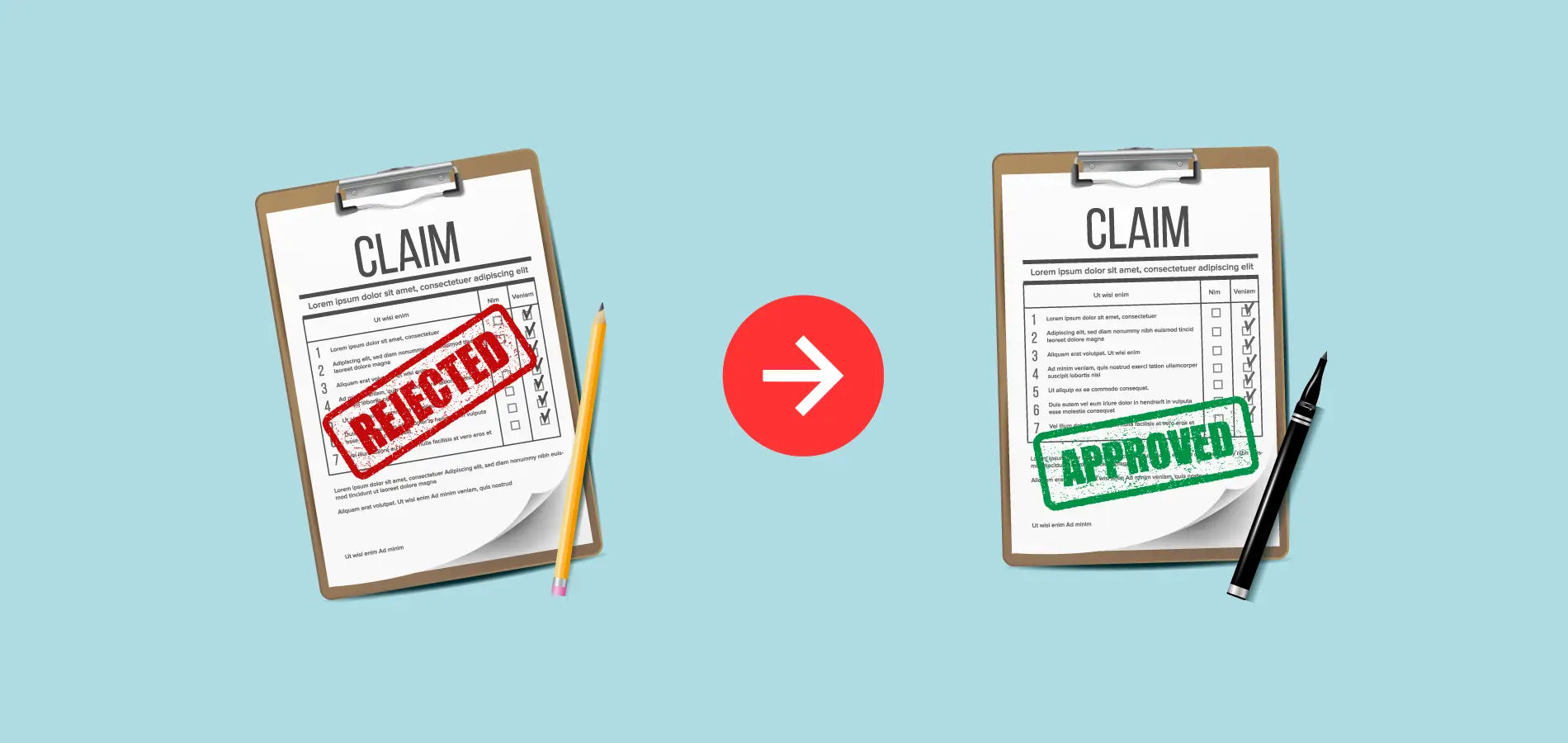
Despite the flexibility of HSAs, many Canadians inadvertently make errors that trigger audits or disallow claims. Recognizing these pitfalls helps in implementing best practices and avoiding compliance issues.
Claiming Ineligible or Lifestyle Expenses
A frequent mistake involves claiming expenses that are not genuinely medical or health-related. Many assume items like gym memberships, vitamins, or massages qualify without prescriptions or proper evidence.
Claims for lifestyle or cosmetic expenses, such as massages without medical documentation or non-prescribed vitamins, often lead CRA to question the legitimacy of the claim. It’s crucial to differentiate between eligible health expenses and personal indulgences that fall outside CRA criteria. Professionals utilizing benefits platforms like Wellbytes can help verify which expenses qualify, preventing costly errors.
Moreover, some claim expenses that are purely for personal convenience—such as cosmetic treatments or fitness equipment—are not eligible under HSA guidelines. Staying informed about CRA regulations ensures only valid expenses are submitted, reducing audit risks.
Missing or Incorrect Documentation
Proper documentation is the backbone of compliant HSA claims. Many submissions are rejected due to incomplete or improperly prepared paperwork.
Common errors include missing receipts, incorrect invoices, or altered documents that do not match the claimed expense. CRA can scrutinize even legitimate claims if supporting proof does not meet specific standards. For instance, receipts should clearly indicate the date, provider, and expense details, with no signs of tampering.
Using digital tools like benefit management platforms enables secure storage and organization of all claim-related documents. These systems help ensure that every claim is backed by complete, verifiable proof, making audits smoother and less stressful.
Self-Administering HSA Claims
Allowing employees or individuals to handle claims independently can introduce compliance risks, especially if claims are reviewed internally without proper oversight. CRA prefers claims submitted through proper adjudication channels that adhere to established PHSP rules.
Self-administration often results in inconsistent claim reviews, potential conflicts of interest, and bypassing the necessary verification processes. Employers who utilize third-party benefits administrators or benefits management tools reduce these risks, ensuring claims are properly vetted before submission. This structured approach supports transparency and compliance, aligning with CRA expectations.
Submitting Non-Prescribed Medical Items
Another common mistake is submitting claims for over-the-counter (OTC) medications or supplies without a prescription or medical authorization. CRA tends to flag OTC items that are not prescribed, especially when claimed as medical expenses.
For example, claiming vitamins or pain relievers without medical documentation can be challenged, as these items are often considered personal or lifestyle expenses. To mitigate this, individuals should obtain proper prescriptions or medical notes confirming the necessity of OTC items. Employers and advisors need to guide employees on eligible expenses and document accordingly, utilizing platforms that track such documentation effectively.
Comparison Table: Valid vs Invalid HSA Claims

| Eligible Claim Items | CRA-Approved | Ineligible or Flagged | Reason |
|---|---|---|---|
| Prescribed medications | Yes | No | Must have medical prescription |
| Dental scrapers | Yes | No | Dental health product, valid receipt |
| Vitamins with doctor’s note | Yes | No | Prescribed or medically necessary |
| OTC vitamins without prescription | No | Yes | Personal choice, lifestyle expense |
| Massage therapy with medical note | Yes | No | Therapy prescribed for health condition |
| Relaxation massages | No | Yes | Personal, relaxation only |
This table simplifies understanding which claims align with CRA policies, emphasizing the importance of proper documentation and verification.
Canadian Examples of CRA-Flagged Claims

Real-world cases highlight how easily claims can be challenged without careful documentation. For instance, a self-employed individual claimed massage therapy expenses for relaxation as medical treatment. CRA flagged this because there was no medical note supporting the claim. This illustrates the importance of ensuring expenses are substantiated by prescriptions or documentation.
Another example involved a company that submitted receipts for vitamins and supplements purchased without prescriptions. CRA disallowed these expenses, confirming that OTC products without medical approval are outside eligible categories. Both cases underscore the need for meticulous documentation and clear understanding of eligible expenses.
Risk Management and Compliance Practices

Minimizing audit risks involves adopting proactive procedures and leveraging trusted tools for claims management. Regularly reviewing expenses before submission and maintaining comprehensive records are vital steps.
Proper Documentation and Retention
Ensuring all receipts, prescriptions, and supporting documents are correctly stored and easily accessible helps prevent rejected claims. Digital record-keeping, through benefits platforms like Wellbytes, streamlines this process and guarantees compliance during CRA audits.
Verifying Expense Eligibility Before Submitting
Before submitting claims, individuals and employers should verify that expenses meet CRA criteria. This involves examining whether the expense is for a recognized medical necessity and whether appropriate documentation exists. Automated tools can assist in quickly validating claims against CRA rules.
Using Third-Party Adjudication Instead of DIY Review
Outsourcing claim review and adjudication to trusted third-party providers reduces human error and ensures compliance. They are equipped with expertise in CRA regulations and can identify potentially ineligible claims early, saving time and reducing audit risk.
“How-To” Steps: Avoiding CRA Claim Mistakes
To prevent making common HSA claim errors, follow these step-by-step guidelines:
- Identify eligible expenses by consulting CRA guidelines or leveraging benefits management tools.
- Secure complete documentation—receipts, prescriptions, invoices—immediately upon purchase.
- Verify claims through a checklist to ensure they meet CRA criteria before submitting.
- Use robust benefits platforms like Wellbytes to manage and track claims efficiently.
- Maintain organized records for at least seven years, as CRA recommends for audit purposes.
- Engage third-party adjudication services when possible, to review claims for compliance and accuracy.
- Stay updated with CRA rulings and policy changes to adjust your claims practices accordingly.
Decision Matrix: Is Your HSA Claim Audit-Safe?
Use this simple matrix to evaluate your claim’s compliance:
| Question | Yes | No | Action |
|---|---|---|---|
| Expense is medically necessary? | ✓ | Obtain medical documentation if unsure | |
| Receipt/documentation is complete and verifiable? | ✓ | Collect and verify receipts | |
| Item was prescribed or medically authorized? | ✓ | Secure prescriptions for OTC items | |
| Claim submitted through proper channels? | ✓ | Review process, avoid DIY shortcuts | |
| Expense aligns with CRA guidelines? | ✓ | Consult CRA or a benefits advisor |
If most answers are yes, the claim is likely audit-safe. Otherwise, review and rectify before submission.
Pros and Cons: Strict CRA Claim Rules
Adhering to CRA’s strict claim rules means benefits such as clarity and tax fairness are assured. Clear guidelines help prevent abuse and ensure benefits are directed to genuine health needs, fostering fair taxation.
However, these strict regulations can be cumbersome. They require meticulous documentation and vigilant expense verification, which may pose challenges for busy individuals and companies. Employing tools like Wellbytes can simplify compliance, but the inherent limitations of strict rules remain a consideration.
FAQ: CRA HSA Mistakes and Audit Concerns
What happens if CRA rejects an HSA claim? Rejected claims can result in additional taxes or penalties if not corrected. It’s crucial to provide proper documentation for any challenged expenses.
Does CRA audit every HSA user? Not every individual or business is audited, but FRA has criteria that increase audit probability for reports with inconsistencies, suspicious claims, or errors.
Are family expenses treated differently? Yes, CRA scrutinizes family expenses carefully; each claim must be individually compliant, and supporting documents must be specific to each individual.
Can an employer review their own HSA claims? Employers can oversee claims through authorized procedures, but internal reviews must follow strict rules to avoid self-review violations.
Conclusion
Navigating the nuances of HSA claims and avoiding common mistakes that trigger CRA audits require attention to detail, proper documentation, and adherence to regulations. By understanding what CRA reviews during audits and leveraging benefits management tools like Wellbytes, individuals and companies can significantly reduce the risk of disallowed claims or penalties.
Ensuring every expense is compliant, well-documented, and verified not only aligns with CRA guidelines but also maximizes the benefits of health and wellness accounts, fostering a healthier, compliant, and financially secure environment for all involved. Whether you are an incorporated individual, employer, or advisor, prioritizing precise, compliant HSA claims is essential for long-term success.
To stay ahead, consider booking a compliance consultation with Wellbytes or exploring their tools designed to streamline claim management and optimize benefits.